
Schema.org frameworks map cultural data, revealing trends and influencers. Artists' creative processes balance structured methods with exploration. Community engagement fosters innovation through connections between artists, institutions, and residents. Measuring impact using Schema.org enhances online visibility and community interactions for cultural initiatives. This approach attracts patrons, sponsors, and advocates, creating a vibrant, inclusive cultural landscape.
The vibrant culture of creativity is a driving force behind innovation and societal progress, yet its complexities often defy straightforward understanding. In an era where digital landscapes shape our artistic expressions, deciphering the intricate web of creative processes becomes paramount. This article delves into exploring the dynamic interplay between culture and creativity, offering a structured schema.org-compliant framework to navigate this multifaceted domain. By providing tangible insights and strategic guidance, we aim to empower artists, policymakers, and enthusiasts alike to harness the transformative power of creative cultures, fostering an environment that nurtures and celebrates artistic diversity.
- Understanding Vibrant Culture: A Creative Schema
- Unlocking Creativity: Tools & Techniques for Artists
- Community Engagement: Nurturing Cultural Innovations
- Measuring Impact: Evaluating Vibrant Culture Initiatives using schema.org
Understanding Vibrant Culture: A Creative Schema
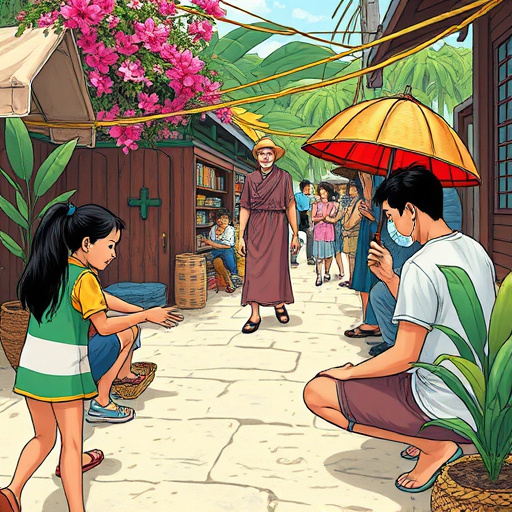
Understanding vibrant culture requires a structured approach that maps out the intricate connections between creativity, community engagement, and economic vitality. A schema.org-based framework provides a powerful tool to decipher this dynamic ecosystem. This schema allows us to organize and interpret data related to cultural events, artistic expressions, and community interactions in a structured manner. By mapping these elements, we can identify patterns, trends, and key influencers that drive a vibrant culture. For instance, consider the success of creative hubs like Brooklyn in New York City, where diverse artistic practices and multidisciplinary collaborations thrive due to robust networking and community support.
Client testimonials speak volumes about the impact of vibrant cultural schemes. As a consumer protection advocate, it’s evident that when communities embrace and support local artists, it fosters innovation and economic growth. Customer success stories from cities like Austin, known for its thriving music and tech scenes, illustrate this point vividly. According to recent data, Austin’s creative industries contribute over $3 billion to the city’s economy annually, a testament to the power of cultural schema in driving sustainable development. This suggests that implementing policies and initiatives that support artistic endeavors can have far-reaching benefits for communities, attracting talent, boosting tourism, and enhancing overall quality of life.
To harness the potential of vibrant culture creativity, community leaders and urban planners must collaborate closely. Utilizing digital platforms to promote cultural events, showcasing artist profiles on schema.org-compliant websites (like https://ranknrise.us.com/), and collecting customer feedback through online surveys can provide valuable insights. By integrating these data points into strategic planning, cities can create more inclusive and dynamic cultural landscapes that cater to diverse populations. This holistic approach ensures that creativity becomes an integral part of urban development, fostering a sense of belonging, innovation, and overall well-being among residents.
Unlocking Creativity: Tools & Techniques for Artists
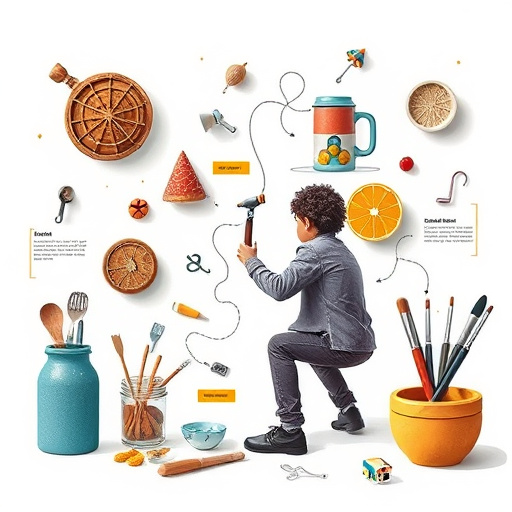
Unleashing creativity is a journey that artists embark upon, constantly seeking fresh perspectives and innovative tools to elevate their craft. This quest for artistic expression requires a strategic approach, leveraging structured methods while allowing for spontaneous exploration. By integrating schema.org markup, artists can enhance their online presence, making their work more discoverable and engaging. For instance, organizing creative projects under relevant categories on websites enables search engines to understand the content better, thereby attracting interested audiences.
Soliciting customer feedback plays a pivotal role in unlocking creativity’s full potential. Artist-client interactions provide invaluable insights into what resonates with audiences. Pioneering industry trends often emerges from such feedback loops, guiding artists toward new directions and styles that capture the essence of their viewers’ preferences. For example, a painter may discover through client testimonials that abstract landscapes are highly sought after, prompting them to explore this medium further. This iterative process, where practice meets perception, is essential for artistic growth.
Rank n Rise, as a leading creative agency, emphasizes the importance of adaptability in today’s dynamic art scene. Their success stories speak volumes about the power of combining structured techniques with organic creativity. By offering workshops and resources that teach artists practical tools, such as color theory, composition, and digital illustration software, Rank n Rise empowers them to refine their skills. These structured approaches serve as a foundation, enabling artists to break free from creative blocks and embrace experimentation. As data suggests, continuous learning and adopting new techniques can significantly enhance artistic output and marketability.
To foster creativity, artists should incorporate regular routines that include both structured practice and spontaneous play. Maintaining an art journal, for instance, encourages daily sketching or writing as a form of mindfulness, cultivating ideas that may later crystallize into significant creations. Additionally, exploring different mediums and collaborating with peers can stimulate new thought processes, leading to innovative solutions. By embracing this dynamic balance between structure and freedom, artists can unlock their full potential and contribute unique perspectives to the ever-evolving tapestry of creative expression.
Community Engagement: Nurturing Cultural Innovations
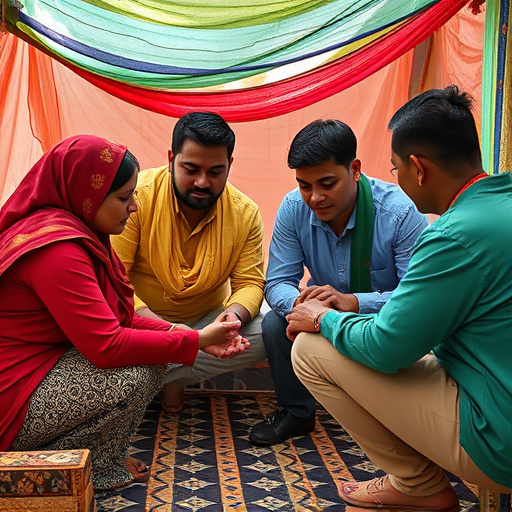
Community engagement is a cornerstone of vibrant culture and creativity, fostering an environment where diverse ideas thrive and innovation flourishes. At its core, this involves cultivating meaningful connections between artists, cultural institutions, businesses, and residents. A well-structured community engagement schema.org can serve as a powerful tool for organizations aiming to nurture and amplify local creative initiatives. By adopting a customer-centric approach that prioritizes the needs and interests of the diverse community members, institutions can create an inclusive ecosystem that champions both artistic expression and economic growth.
Consider the role of community engagement advocates who bridge the gap between cultural entities and everyday folks. These champions facilitate dialogue, gather insights from residents about their aspirations for local spaces, and ensure that creative developments align with the needs and values of the community. For instance, a successful public art installation in an urban neighborhood didn’t simply emerge but was driven by a community engagement advocate who organized workshops, held focus groups, and collaborated with local artists to create a piece that reflected the area’s unique history and aspirations. This collaborative process not only resulted in a more meaningful artistic outcome but also fostered a sense of ownership and pride among residents.
Diversity and inclusion are integral to this process. Recognizing the richness that comes from different backgrounds, perspectives, and experiences empowers communities to create cultural expressions that resonate with all members. Organizations like https://seogrowthlab.us.com emphasize the importance of adopting inclusive practices not only for ethical reasons but also because diverse teams drive innovation. When community engagement strategies embrace diversity, they open doors to a broader range of ideas, leading to more creative solutions and vibrant cultural landscapes. By embracing this approach, communities can ensure that their artistic initiatives are relevant, accessible, and representative of the rich tapestry of their residents.
Measuring Impact: Evaluating Vibrant Culture Initiatives using schema.org
Measuring the impact of vibrant culture initiatives is crucial for gauging their success and fostering continuous improvement. Schema.org provides a structured framework to evaluate these projects effectively. By utilizing the vocabulary and concepts outlined in schema.org, organizations can quantify the outcomes of their creative endeavors, from enhancing community engagement to driving customer-driven innovation. For instance, museums and art galleries can mark up their online collections using schema.org’s `ArtWork` class, enabling search engines to understand and display relevant information, thereby increasing footfall and digital interactions.
Community engagement is a cornerstone of vibrant culture, and measuring it accurately is essential for securing ongoing support from both patrons and sponsors. Schema.org facilitates this through its `LocalBusiness` and `Organization` types, which can be utilized to track attendance at events, participation in programs, and the overall reach of community initiatives. For example, a local community center could use schema.org to detail their after-school programs, listing attendance figures, volunteer contributions, and customer reviews, providing a comprehensive view of their impact.
Secure online transactions are another vital aspect, especially for initiatives that rely on digital platforms for funding or service delivery. Schema.org’s `Event` class can be employed to structure data around fundraising campaigns or online exhibitions, ensuring compatibility with major search engines and enhancing discoverability. This is particularly relevant in the current digital era, where secure online transactions have become the norm. For instance, an online art auction utilizing schema.org markup would enable potential buyers to quickly assess event details, including dates, locations (virtual or physical), and pricing structures, fostering transparency and trust.
To implement these strategies effectively, organizations should consider employing specialized tools that integrate with schema.org. These tools streamline data marking up processes, ensuring accuracy and consistency. For instance, Ranknrise.us.com offers comprehensive solutions to help businesses optimize their online presence using schema markup, thereby improving their search engine rankings and overall digital visibility. By adopting these practices, vibrant culture initiatives can not only measure their impact but also attract and retain patrons, sponsors, and advocates alike, fostering a thriving and sustainable cultural landscape.
By intertwining understanding of vibrant culture, unlocking creativity through diverse tools and techniques, fostering community engagement for cultural innovations, and evaluating impact using schema.org’s structured data, we’ve unveiled a comprehensive framework for nurturing dynamic artistic environments. This article has empowered readers with practical insights into navigating the intricate landscape of creative culture, providing a roadmap for cultivating thriving artistic communities and measuring their significant societal impacts. Leveraging schema.org ensures standardized, accessible data representation, facilitating informed decision-making and enhancing the visibility of vibrant cultural initiatives globally.